
Recovery
Beer after training: what alcohol does to recovery
The drink after the game is one of sport's oldest rituals. The research says the dose and the timing matter more than the drink itself, and that sleep is where most of the cost lands.
The short answer
One drink after training is unlikely to undo the session. More is different: at high doses alcohol lowers muscle protein synthesis after exercise, breaks up the second half of the night and keeps the heart working harder in the first hours of sleep. If the drink is really about the ritual, keep the ritual and change what is in the glass.
What alcohol does in the muscle
The clearest human study is small but striking. Eight active men completed a hard session of weights followed by cycling, then drank alcohol at about 1.5 g per kilogram of body weight, roughly twelve standard drinks over several hours. Muscle protein synthesis was 24% lower than with protein alone, even when protein was taken alongside the alcohol, and 37% lower when the alcohol came with carbohydrate instead.1
That is a heavy night, not a single beer. A review of alcohol and recovery in male athletes makes the point directly: the effect depends on the dose, the timing and how soon you need to train again. At the levels athletes often drink, alcohol may impair recovery from muscle damage; around 0.5 g per kilogram appears unlikely to affect most aspects of recovery.2
What it does to sleep
Alcohol does not simply ruin sleep. It changes its shape. Across the studies in healthy adults, alcohol helps people fall asleep faster and deepens the first half of the night, then the second half becomes more disrupted, and the first period of REM sleep is delayed.3
In a real-world study of 4,098 adults wearing heart-rate monitors, the body's measured recovery during the first three hours of sleep fell with every level of drinking: by 9.3 percentage points after low intake, 24.0 after moderate intake and 39.2 after high intake. Physically active people were affected as much as sedentary ones.4
Alcohol tends to make the first part of the night feel deeper and the rest of it worse.
For athletes, that matters more than for most. Short and poor-quality sleep is already common in elite sport.5
So, can athletes drink?
Yes, and many do. The research points to a few honest rules rather than a ban:
- Eat and rehydrate first. Fluid, carbohydrate and protein after training come before anything else.6
- Dose matters. The measurable costs grow with the amount.24
- Timing matters. The night before a session or a match is the worst time.
- It is not a sleep aid. It shortens the time to sleep and costs you later in the night.3
Keep the ritual, change the glass
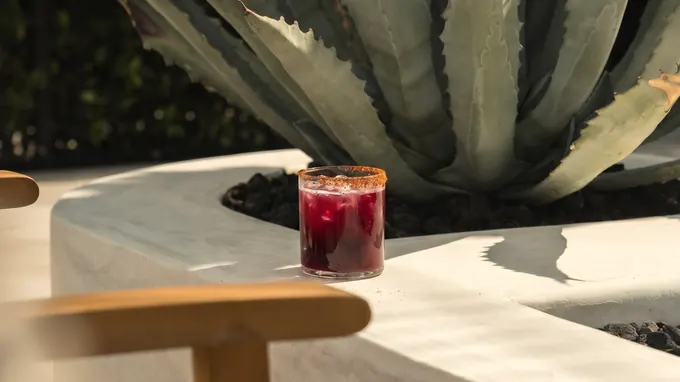
Most post-game drinking is not about the alcohol. It is about marking the end of the effort: something in the hand, a pause, the people around you. That part is worth keeping.
An alcohol-free alternative should do the same job without the cost. No alcohol, no caffeine, and a drink considered enough that it feels like an occasion rather than a compromise. We wrote more about the evening window in What to drink in the evening after training.
Sources
- Parr EB, et al. Alcohol ingestion impairs maximal post-exercise rates of myofibrillar protein synthesis following a single bout of concurrent training. PLoS One. 2014. pubmed.ncbi.nlm.nih.gov/24533082
- Barnes MJ. Alcohol: impact on sports performance and recovery in male athletes. Sports Med. 2014. pubmed.ncbi.nlm.nih.gov/24748461
- Ebrahim IO, et al. Alcohol and sleep I: effects on normal sleep. Alcohol Clin Exp Res. 2013. pubmed.ncbi.nlm.nih.gov/23347102
- Pietilä J, et al. Acute effect of alcohol intake on cardiovascular autonomic regulation during the first hours of sleep. JMIR Ment Health. 2018. pubmed.ncbi.nlm.nih.gov/29549064
- Walsh NP, et al. Sleep and the athlete: narrative review and 2021 expert consensus recommendations. Br J Sports Med. 2021. pubmed.ncbi.nlm.nih.gov/33144349
- Thomas DT, Erdman KA, Burke LM. Nutrition and Athletic Performance (ACSM, Academy of Nutrition and Dietetics, Dietitians of Canada joint position). Med Sci Sports Exerc. 2016. pubmed.ncbi.nlm.nih.gov/26891166
This article is for general education and is not medical advice. ATLAUA products are not intended to diagnose, treat, cure or prevent any disease. Speak to a healthcare professional before starting any supplement, especially if you are pregnant or breastfeeding, take medication, or are subject to anti-doping testing.